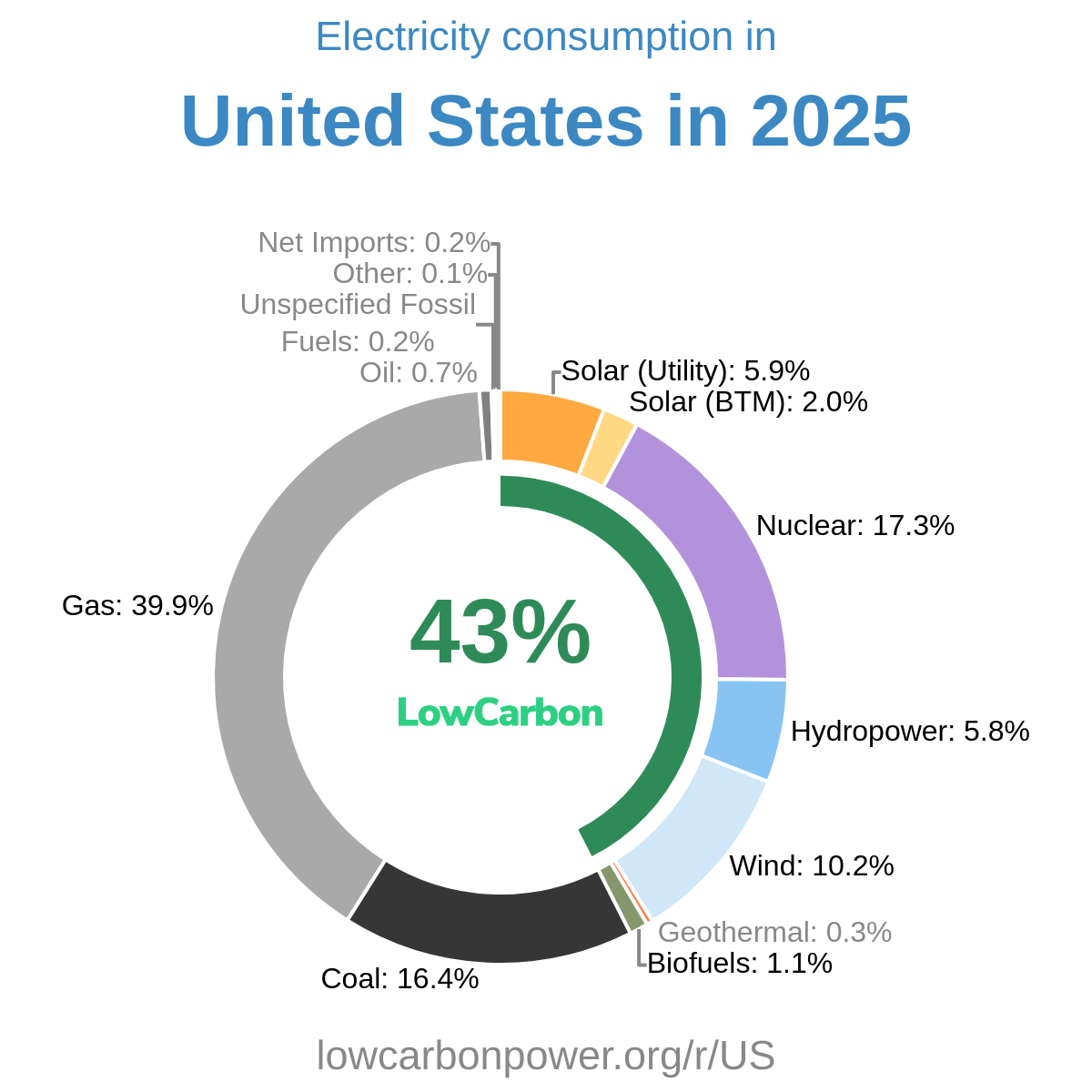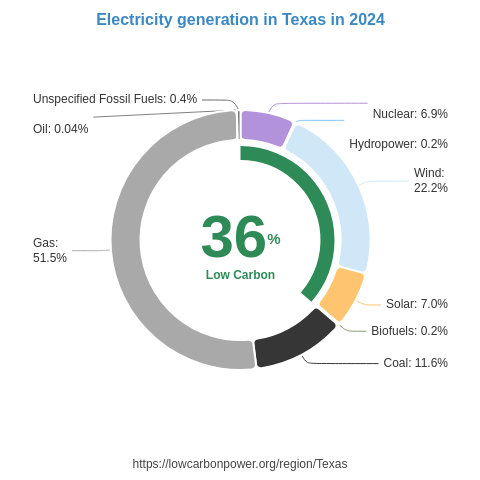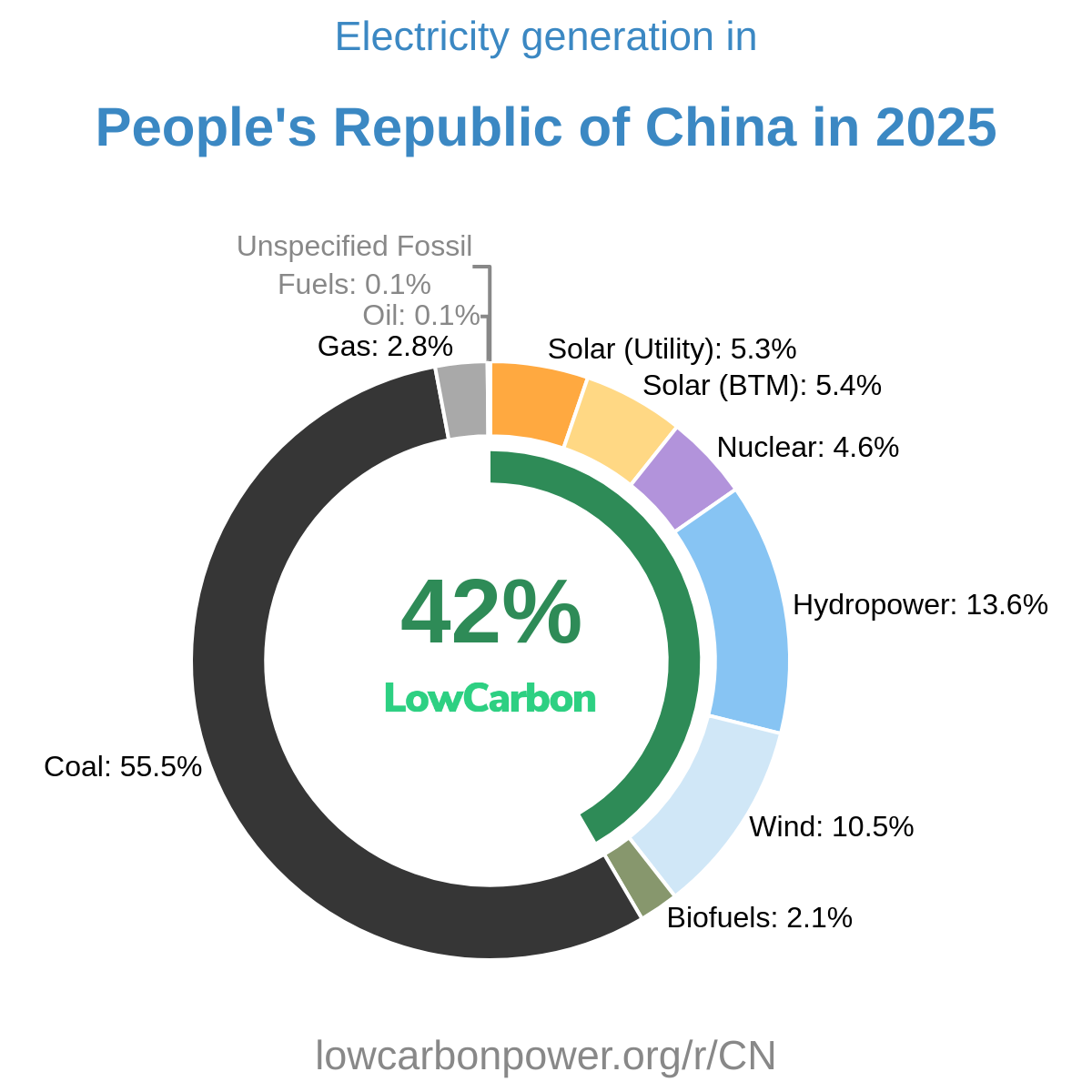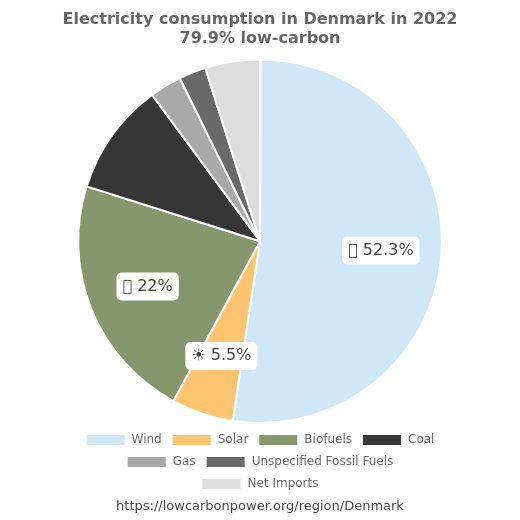


Solar-utility, often referred to as large-scale solar power generation, is a form of energy that harnesses the sun's power to generate electricity on a massive scale. These solar power plants can either use photovoltaic (PV) panels that directly convert sunlight into electricity or concentrated solar power (CSP) that uses mirrors or lenses to focus sunlight onto a small area to produce steam, which then drives a turbine to generate electricity. Essentially, solar-utility plants function as centralized sources of electricity, feeding the grid with clean and sustainable energy drawn directly from sunlight.
In solar-utility plants, photovoltaic systems utilize solar cells to capture sunlight and convert it into direct current (DC) electricity. This DC electricity then flows through inverters to be converted into alternating current (AC) that can be fed into the electrical grid. Concentrated solar power systems, on the other hand, typically employ mirrors to reflect and concentrate sunlight onto receivers that convert it into heat. This heat is then used to generate steam, which powers turbines to produce electricity, similar to the process in traditional power plants. Both PV and CSP allow solar-utility systems to supply vast amounts of clean energy to meet increasing electricity demands.
One of the most compelling advantages of solar-utility and other low-carbon energy sources like nuclear and wind is their minimal carbon footprint. Solar-utility has a carbon intensity of about 45 gCO2eq/kWh, which is significantly lower compared to fossil fuel counterparts such as coal (820 gCO2eq/kWh) and oil (650 gCO2eq/kWh). The low emissions from solar, wind (11 gCO2eq/kWh), and nuclear (12 gCO2eq/kWh) contribute substantially to reducing greenhouse gas emissions, mitigating climate change, and promoting a healthier environment when scaled up effectively.
Globally, solar-utility is emerging as a critical player in increasing the share of clean electricity. Currently, it contributes a growing percentage to global electricity consumption. Specifically, the states of the United States illustrate remarkable uptake: Nevada, for example, generates 29% of its electricity from solar-utility, New Mexico 16%, Utah 17%, Arizona 14%, and Texas 11%. These examples demonstrate the significant potential of solar energy to meet energy demands sustainably while offering a cleaner alternative to fossil fuels.
Low-carbon technologies, including solar, nuclear, and wind, are essential in paving the way toward a greener future. These energy sources collectively help decrease reliance on fossil fuels, reduce carbon footprint, and provide a foundation for sustainable economic growth. By expanding solar energy and supplementing it with nuclear and wind power, countries can significantly decrease the negative impacts of fossil fuels, such as climate change and air pollution, ensuring a clean and sustainable energy legacy for future generations. Electrification of sectors like transportation and heating further amplifies the need for increased electricity generation from green sources, marking solar-utility as a cornerstone of modern energy strategies.
| Country/Region | kWh/person | % | TWh |
|---|---|---|---|
| Nevada | 4229.5 W | 29.5% | 13.9 TWh |
| New Mexico | 3371.0 W | 16.1% | 7.2 TWh |
| Arizona | 2263.5 W | 14.1% | 17.4 TWh |
| Texas | 2140.8 W | 11.2% | 68.0 TWh |
| Utah | 1880.3 W | 16.8% | 6.7 TWh |
| Arkansas | 1696.9 W | 7.7% | 5.3 TWh |
| California | 1449.1 W | 19.1% | 56.9 TWh |
| Indiana | 1224.5 W | 7.4% | 8.5 TWh |
| North Carolina | 1164.8 W | 8.4% | 13.0 TWh |
| Maine | 1156.4 W | 9.8% | 1.6 TWh |
| Mississippi | 1121.8 W | 4.3% | 3.3 TWh |
| Florida | 1117.3 W | 9.2% | 26.6 TWh |
| Virginia | 1092.7 W | 6.0% | 9.7 TWh |
| Colorado | 1070.6 W | 9.9% | 6.4 TWh |
| Georgia (US) | 998.1 W | 6.6% | 11.3 TWh |
| United States | 909.1 W | 6.8% | 314.4 TWh |
| Idaho | 875.4 W | 6.1% | 1.8 TWh |
| Wyoming | 830.6 W | 1.1% | 0.5 TWh |
| Ohio | 763.7 W | 5.0% | 9.1 TWh |
| Wisconsin | 713.1 W | 5.5% | 4.3 TWh |
| Rhode Island | 690.6 W | 7.7% | 0.8 TWh |
| Hawaii | 663.5 W | 8.2% | 1.0 TWh |
| Oregon | 660.1 W | 4.1% | 2.8 TWh |
| South Carolina | 652.1 W | 3.5% | 3.6 TWh |
| Illinois | 649.9 W | 4.2% | 8.2 TWh |
| Minnesota | 589.9 W | 4.7% | 3.4 TWh |
| Louisiana | 579.1 W | 2.4% | 2.6 TWh |
| Kentucky | 479.7 W | 2.7% | 2.2 TWh |
| South Dakota | 478.2 W | 2.0% | 0.4 TWh |
| People's Republic of China | 453.3 W | 6.0% | 645.3 TWh |
| Missouri | 441.0 W | 3.1% | 2.8 TWh |
| Iowa | 408.1 W | 1.7% | 1.3 TWh |
| Michigan | 379.1 W | 3.1% | 3.8 TWh |
| Vermont | 368.9 W | 3.8% | 0.2 TWh |
| Massachusetts | 362.9 W | 4.2% | 2.6 TWh |
| Oklahoma | 312.2 W | 1.4% | 1.3 TWh |
| New York | 286.6 W | 3.5% | 5.6 TWh |
| Maryland | 275.9 W | 2.6% | 1.7 TWh |
| Montana | 261.7 W | 1.0% | 0.3 TWh |
| Alabama | 257.1 W | 0.9% | 1.3 TWh |
| Tennessee | 244.7 W | 1.5% | 1.8 TWh |
| Kansas | 243.1 W | 1.1% | 0.7 TWh |
| Connecticut | 226.7 W | 1.8% | 0.8 TWh |
| New Jersey | 220.5 W | 2.5% | 2.1 TWh |
| Delaware | 195.0 W | 1.6% | 0.2 TWh |
| West Virginia | 164.7 W | 0.5% | 0.3 TWh |
| Pennsylvania | 159.1 W | 0.8% | 2.1 TWh |
| Nebraska | 138.4 W | 0.7% | 0.3 TWh |
| Washington | 80.9 W | 0.6% | 0.6 TWh |
| Washington, D.C. | 77.4 W | 0.5% | 0.1 TWh |