

From July 2025 to June 2026, just over half of the Netherlands’ electricity came from low-carbon sources, while fossil fuels supplied about 47%. Wind led clean electricity production at roughly 25%, followed by solar at 19%, biofuels at 5% and nuclear at 3%. Among fossil fuels, gas supplied almost 37% of electricity, coal about 9% and oil about 1%. Clean electricity therefore holds a narrow lead, but the substantial dependence on fossil fuels still contributes to climate change and air pollution.
Is Electricity Growing in Netherlands?
The latest figures show encouraging growth in low-carbon electricity, although total electricity consumption per person remains below its historical peak. In 2026, consumption reached 7,319 kWh per person—116 kWh, or about 2%, below the record of 7,435 kWh set in 2008. This comparison does not establish whether consumption increased or decreased over the latest year, but it shows that the earlier peak has not yet been surpassed. Meanwhile, low-carbon generation reached a new record of 3,811 kWh per person, exceeding the 2025 record by 97 kWh, or roughly 3%. That clean-electricity progress is welcome; further growth will help meet demand from electrification and AI.
Suggestions
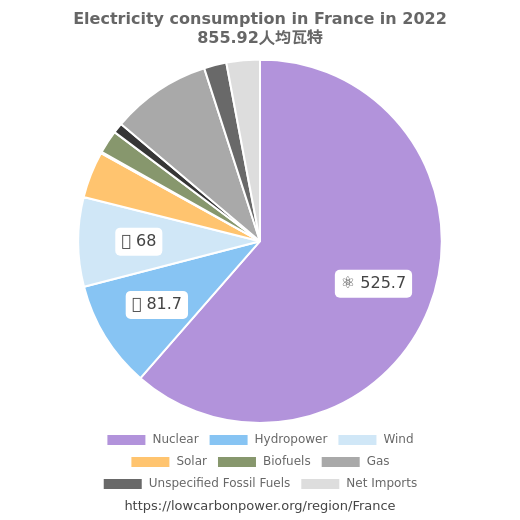
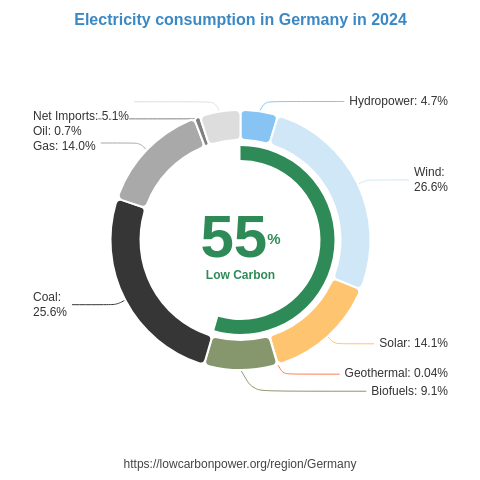
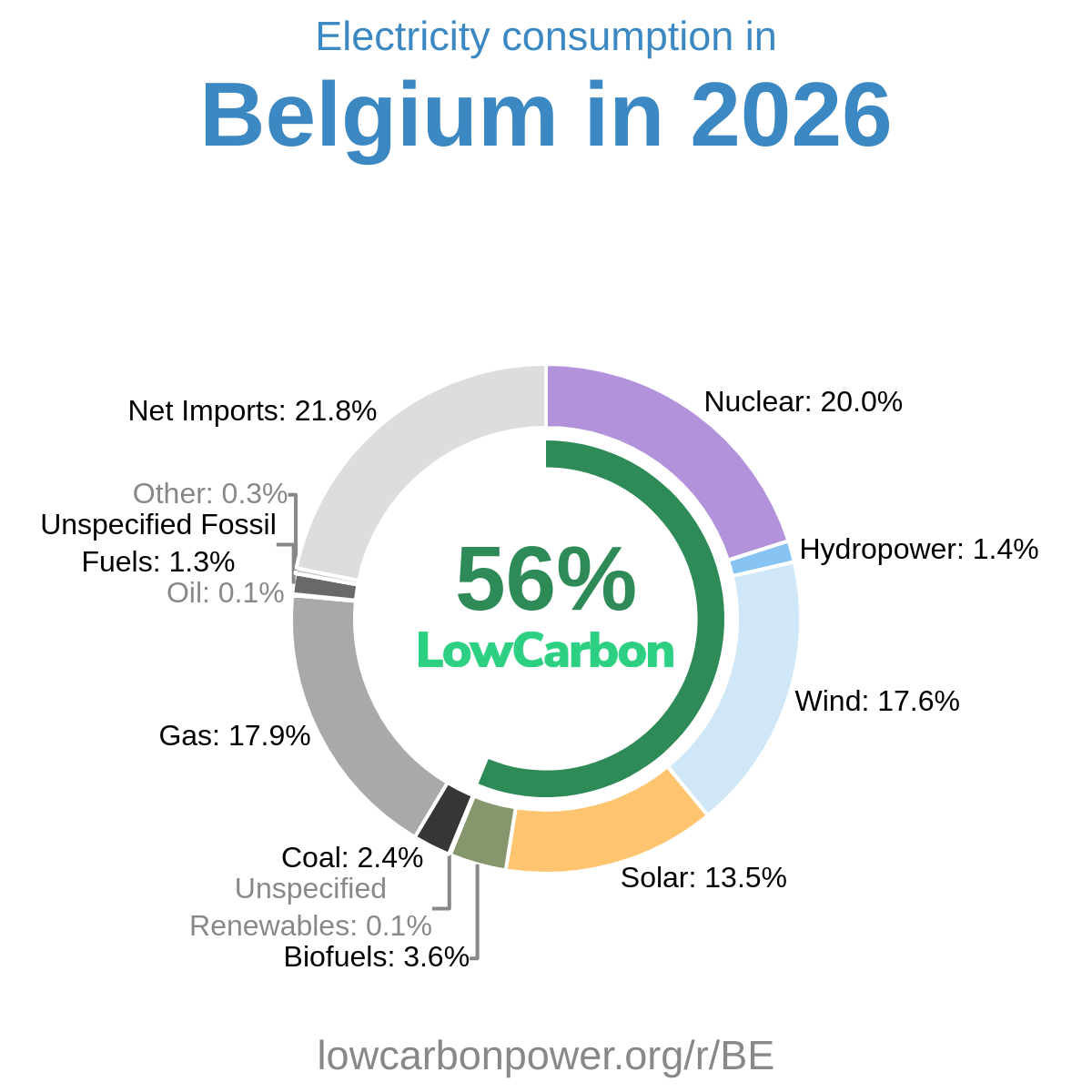
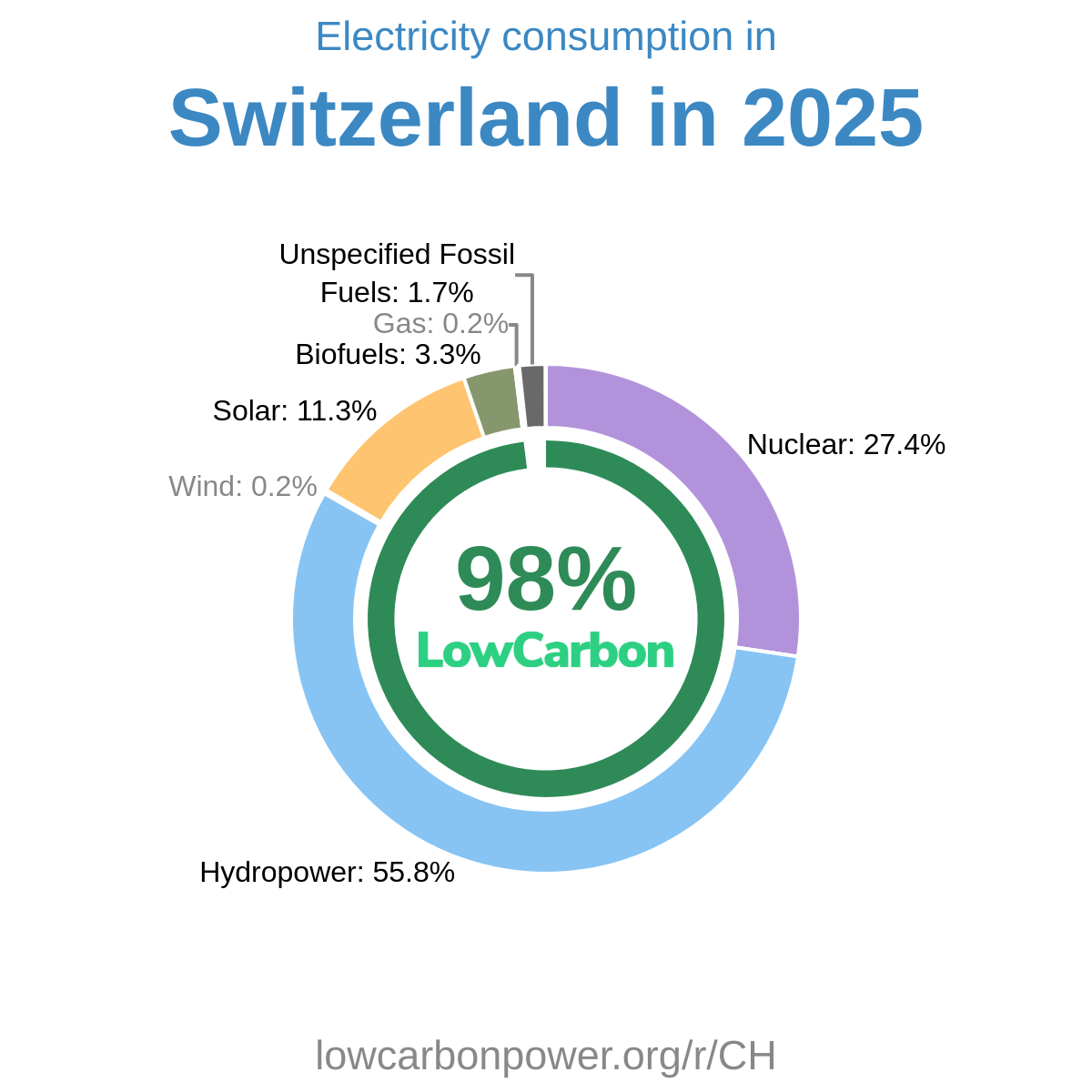
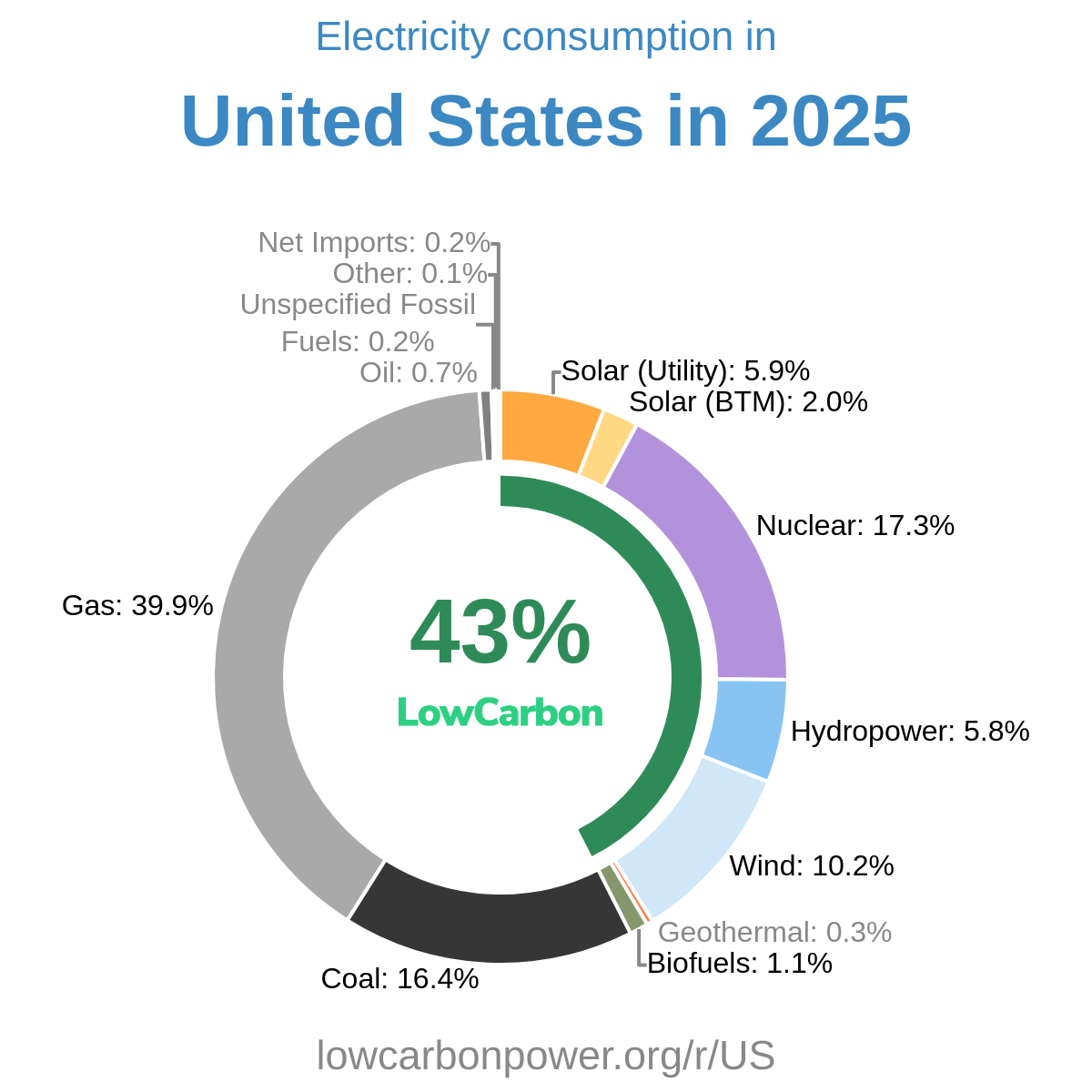
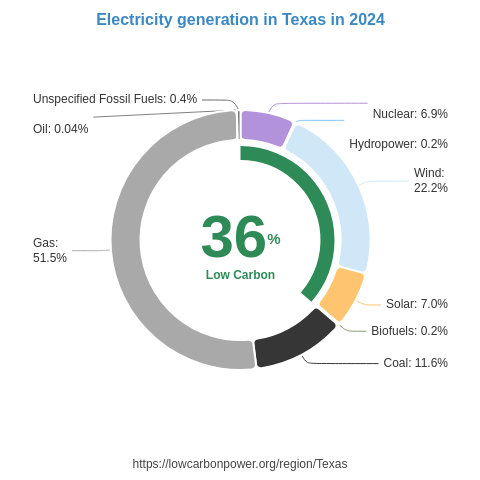
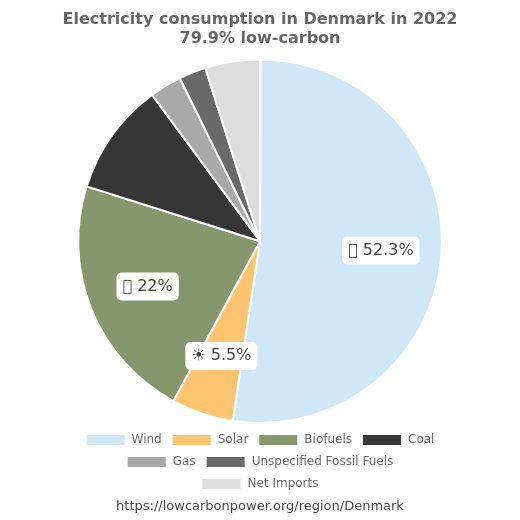
The Netherlands should expand wind and solar, building on their already substantial contributions, while also expanding nuclear electricity generation. Nearby Denmark, where wind supplies 57% of electricity, offers a particularly relevant example for further wind development. For solar, the US states of California and Nevada demonstrate substantial contributions of 31% and 35%, respectively, offering useful lessons to adapt to Dutch conditions. France, with nuclear supplying 67% of electricity, and Finland, at 38%, show how nuclear can underpin a strongly low-carbon electricity system. Combining expanded wind and solar with more nuclear generation would help the Netherlands increase clean electricity supply and replace fossil-fuel generation.
History
The history provided shows increasingly strong low-carbon electricity growth, especially since the mid-2010s. The 1.8 TWh decline in nuclear generation in 1997 was a regrettable loss of clean electricity output, underscoring the importance of maintaining and expanding that contribution. Biofuel generation increased by 1.9 TWh in 2005, while wind added 1.8 TWh in 2015 and 2.4 TWh in 2017, followed by a 1.5 TWh solar increase in 2018. From 2020 through 2022, wind and solar grew each year, with solar’s 6.2 TWh increase in 2022 standing out; biofuels also increased in 2020 and 2021. In 2023, wind achieved an especially strong 8 TWh gain and solar added 2.3 TWh, while biofuels declined by 1.8 TWh. Further wind and solar gains followed in 2024, solar added 3.9 TWh in 2025, and wind added 2 TWh in 2026—an encouraging foundation for continued clean-electricity expansion.
Electricity Imports and Exports
Balance of Trade
Nearby Regions