

Electricity in Turks & Caicos Islands in 2023
In 2023, all electricity consumed in Turks & Caicos Islands came from fossil fuels, with no low-carbon electricity recorded. This complete reliance on fossil electricity leaves substantial room to develop clean generation while reducing the climate-changing emissions and air pollution associated with fossil fuels.
Is Electricity Growing in Turks & Caicos Islands?
Electricity consumption per person was below its historic peak, rather than setting a new record. In 2023, it stood at about 5,600 kWh per person, compared with roughly 7,300 kWh in 2017—a decline of about 1,640 kWh, or 23%. This comparison does not establish whether consumption fell in the latest year or whether total island-wide consumption declined. Low-carbon generation remained at zero kWh per person, unchanged from its recorded benchmark in 2000. That lack of clean electricity growth is concerning as electrification creates opportunities for greater electricity use.
Suggestions
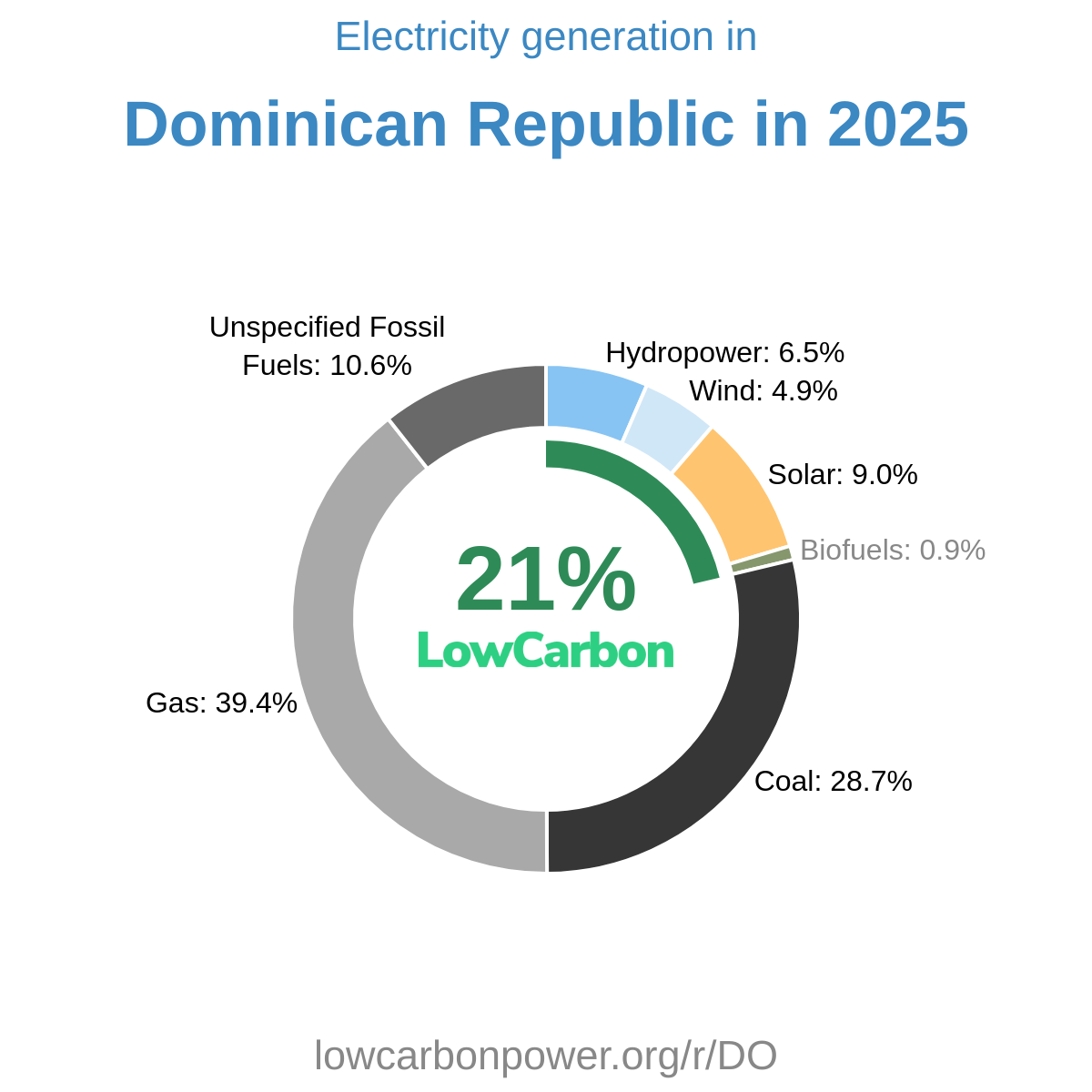
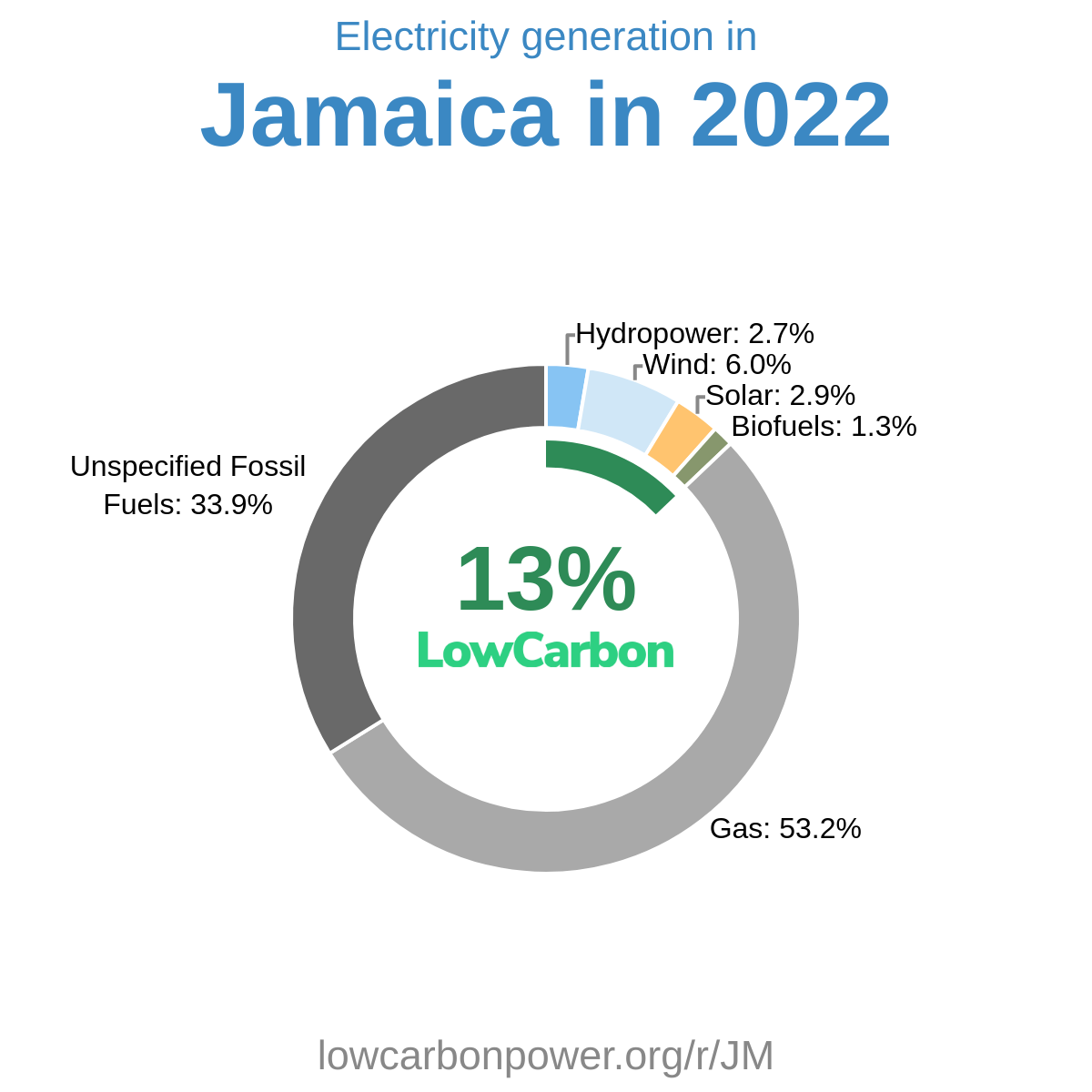
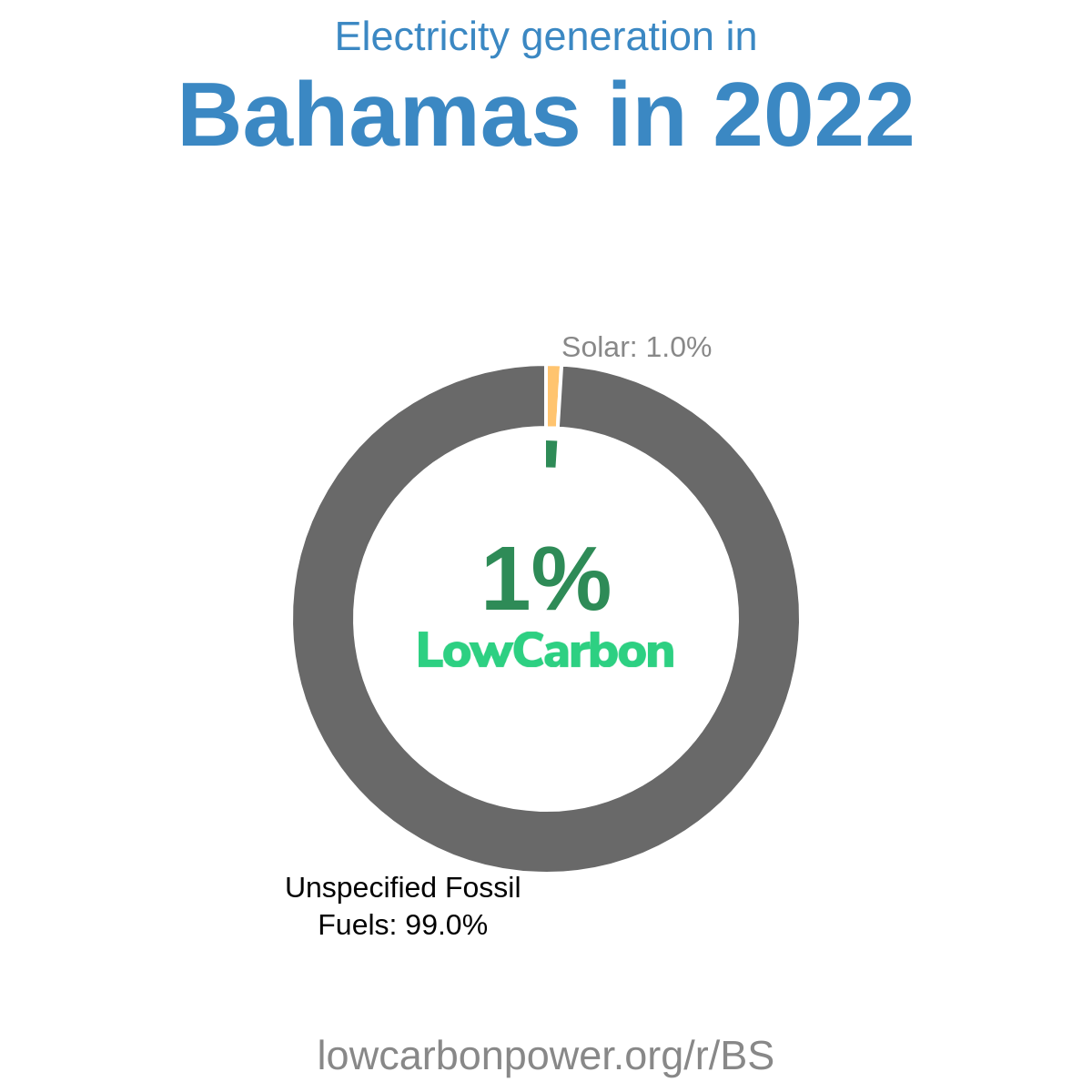
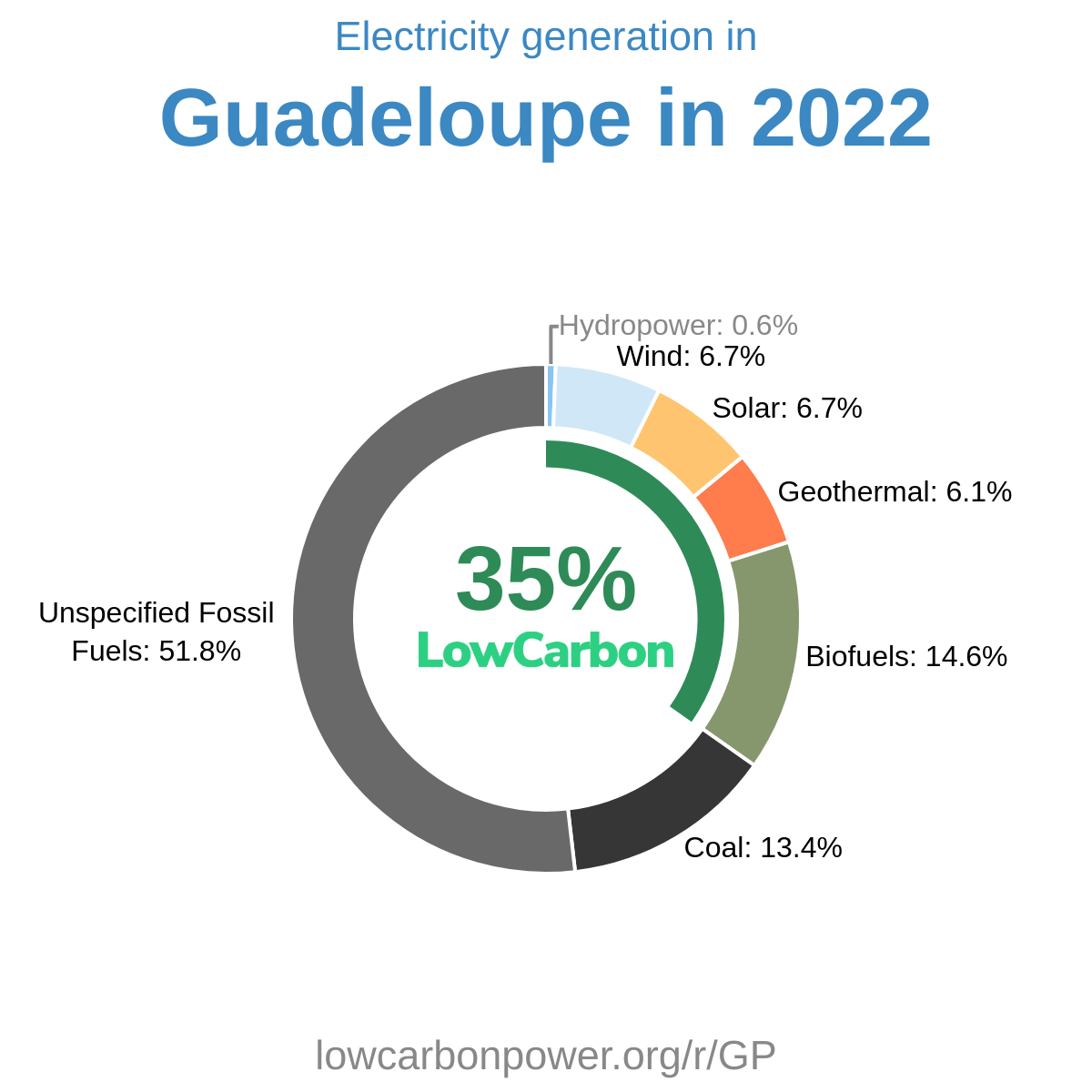
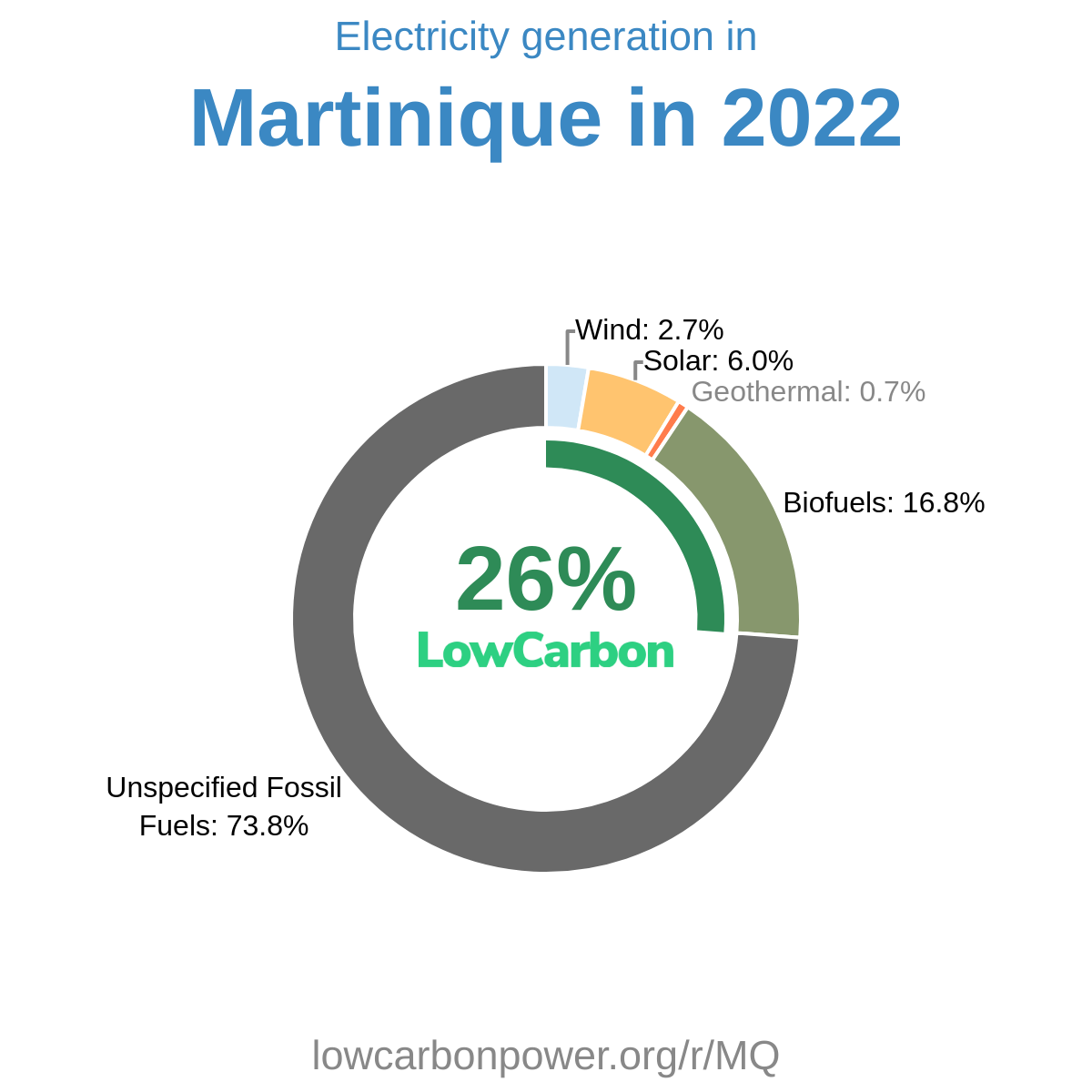
Turks & Caicos Islands should prioritize solar development, including rooftop installations and larger projects supported by storage and grid improvements. Relevant island examples include Cyprus and the US state of Hawaii, where solar supplies about 23% of electricity, and Cape Verde, where solar and wind each supply about 14%. These places offer useful reference points for developing solar and assessing local wind resources. Nuclear should also be considered in long-term clean electricity planning, with technology suitability and regional cooperation examined carefully. France, which generates about two-thirds of its electricity from nuclear, illustrates its potential to provide a substantial foundation of low-carbon electricity, although it is not a direct island-scale model.
History
The supplied information contains no year-by-year historical changes in low-carbon electricity generation, so a detailed account by decade is not possible. The available benchmarks show zero low-carbon generation per person in both 2000 and 2023, with no higher historical record reported. These figures indicate that recorded low-carbon electricity has yet to establish a foothold, but they do not provide enough detail to describe developments in the intervening years.
Electricity Imports and Exports
Balance of Trade
Nearby Regions