

In Spain, the current state of electricity consumption in 2025 reveals a strong commitment to low-carbon solutions, as more than three-quarters of electricity comes from clean sources. Solar and wind power make up about 21% and 20% respectively, showcasing their important roles in the energy mix. Nuclear energy, another critical low-carbon source, provides almost 18% of the electricity, while hydropower contributes nearly 14%. In contrast, fossil fuels, predominantly gas at around 21%, account for less than one-quarter of electricity production, reflecting Spain's effort to reduce reliance on these climate-impacting sources. Oil and biofuels each contribute minimal shares, further emphasizing the shift towards cleaner energy.
Data sources used on this page include IEA and World Bank. More about data sources →
Is Electricity Growing in Spain?
Despite an impressive share of low-carbon electricity, Spain's overall electricity consumption has decreased compared to past records. The current consumption stands at 6,076 kWh per person, a noticeable drop from the 2008 peak of 6,786 kWh per person. However, the generation of low-carbon electricity has improved slightly, with a recent increase to 4,573 kWh per person from the previous record set just a year earlier. While it's a positive sign that clean electricity generation is on the rise, the overall decline in electricity consumption suggests a potential area of concern, especially as advancements in areas like electrification and AI demand more energy.
Suggestions
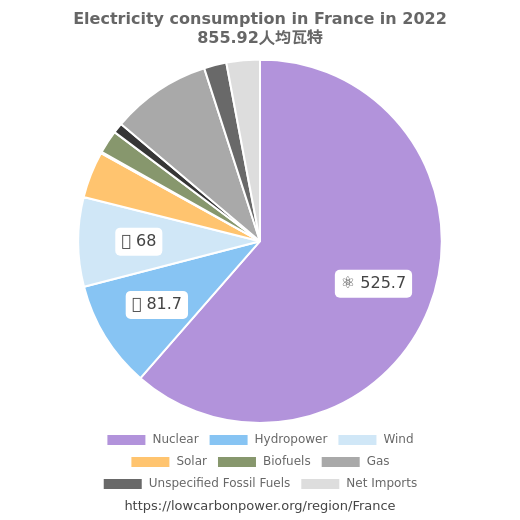
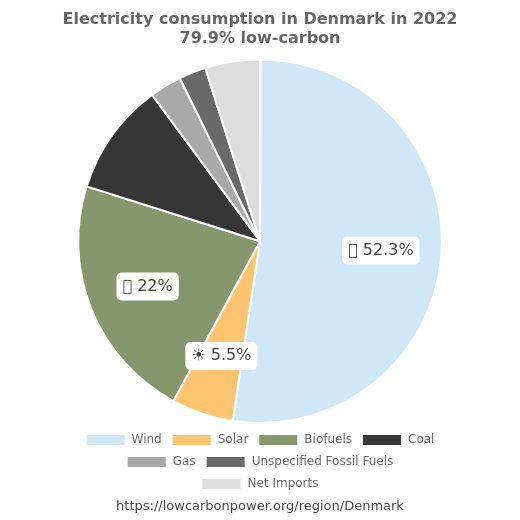
To bolster its low-carbon electricity generation, Spain can enhance its focus on expanding existing solar, wind, and nuclear capabilities. Learning from regions like France and Slovakia, who significantly leverage nuclear power, could guide Spain in fine-tuning its nuclear strategy. In wind energy, Spain can look to Denmark or states like Iowa and South Dakota in the US, which have effectively harnessed this resource. Moreover, by adopting best practices from places like North Macedonia, where solar power contributes significantly, Spain can better capitalize on its abundant solar potential to boost clean electricity production, ultimately reducing fossil fuel reliance and advancing its energy transition objectives.
History
The history of low-carbon electricity in Spain demonstrates periods of both growth and challenge, particularly in hydropower and nuclear energy. In the early 1980s, nuclear power became a vital part of the mix, especially with a significant boost in 1984. However, hydroelectric power has experienced dramatic changes; for instance, notable gains in 1977 and the late 1990s were often offset by substantial declines, such as the downturns in 1980 and throughout the early 2000s. Recently, solar energy has made commendable strides, as seen in the addition of nearly 13 TWh in 2023. By navigating these challenges and learning from past successes, Spain can advance towards a more robust, low-carbon energy future.